
Virginia's Right-To-Work
When did the Democrats begin to resemble the Rockettes?

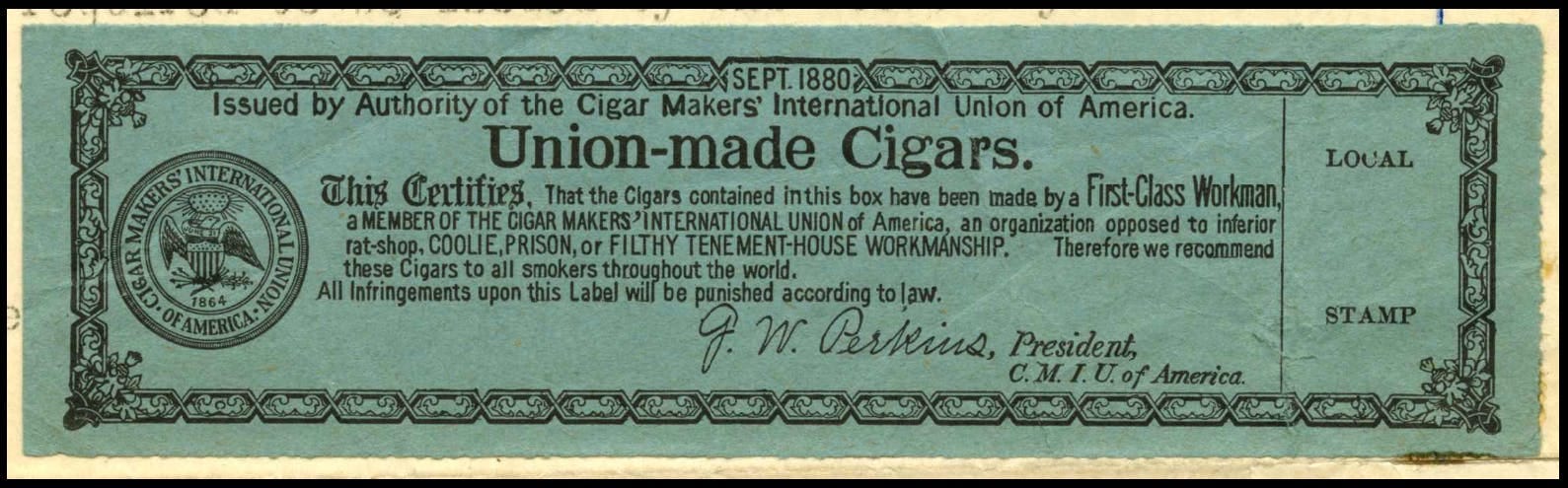
Virginia Democrats long defended and preserved the state’s “right-to-work” law, as did Republicans.
Join a labor union, if you like.
Or do not join a labor union, if you like.
Your choice. Virginia law says that no one can force you to financially support a union as a condition of employment.
Does the law put labor unions at a disadvantage? You bet.
Which was politically sound. There previously existed a clear consensus in favor of right-to-work. In 1985, the director of the state’s Department of Economic Development called right-to-work “almost Biblical.”
Was it resented? Sure. Danny LeBlanc, the stalwart Virginia labor leader of that era, said, “The whole purpose of the right-to-work law is to make unions weak.”
It really wasn’t the whole thing, but that wasn’t far off.
LeBlanc further claimed that state politicians “feel they have to have the corporate bosses in order to get elected. They are the ones who have the bucks to make things go.”
Well, unions make things go, too, bucks included. The cash just flows differently.
It mostly comes down to a question of where power best resides and how the answer encourages or discourages private business investment and economic growth.
Has public sentiment on this matter shifted? We’re about to find out.
Five of the six candidates seeking the Democratic nomination for lieutenant governor appeared at a Roanoke forum on Wednesday night and promised to support a repeal of right-to-work. The absent sixth candidate sent word to say, “Me, too.”
That’s all six of them. With one opinion. In union, so to speak.
Shades of June 27, 2019.
That was the infamous night, during a Democratic primary debate, when moderator Savannah Guthrie brought up the subject of health care and asked the candidates to “raise your hand if your government plan would provide coverage for undocumented immigrants.”
All the Democratic candidates -- including Joe Biden—raised their hands at once.
It’s been Hangover City ever since.
What is going on? During the recent legislative veto session, Democratic members of the House of Delegates repeatedly accused Republican delegates of being fearful of President Trump. They pointed their fingers at the Republicans shaking in their boots – figuratively speaking – and said, Trump, Trump, Trump.
It was all scripted. These obliging Democrats were reading from a piece of paper. Laughter began to fill the chamber. It was embarrassing .
Believe me or not -- makes no matter -- but once-upon-a-time, Democrats did not join choirs. A script? On the floor of the legislative chambers? You gotta be kidding.
Governors give speeches to joint sessions of the General Assembly and I’ve written a few of those. Once I went to the leadership – they were Democrats, like the governor, in one big happy family – and I said, “You know, there are a few lines in this speech tomorrow where you might express your approval by applauding.”
The silence was broken only by a disdainful grunt.
I would not claim that partisanship was alien to those Democratic lawmakers, now long gone. They organized themselves on the basis of party affiliation and all were expected to honor that. It’s hard to legislatively manage things otherwise.
But a political party functions poorly as a church. When it comes to voting or expressing an opinion, skip the responsive readings. Think for yourself. Let constituents and personal convictions come first.
Is right-to-work going to be the big thing for the 2025 state elections?
In December, GOP candidate for gvernor Winsome Earle-Sears appeared before a Virginia Chamber of Commerce event and affirmed her support for Virginia’s right to work law, saying that, “Our ‘right-to-work’ law is a cornerstone of our success. It ensures that employment is not tied to union membership.”
Her Democratic opponent, Abigail Spanberger, based on recent published reports, has yet to take a public position on the state’s right to work law. She supports unions and would raise the minimum wage, expand paid family leave and strengthen collective bargaining.
So that puts her well down the road in a certain direction, but not all the way to repealing right-to-work. Theoretically, Spanberger has the opportunity to do the very thing that won her praise and national attention. She did not march in-step with the great liberal Democrat parade. She thought for herself.
The glory of the Democratic Party – for me, anyway – was that it was so rambunctiously plural. Free speech. Religious liberty. Right to vote. Let’s have at it. Diversity actually meant different.
A labor union gets a cut just because you get a job? You have no say? I don’t think so.